
Your eyes are among the most valuable organs in your body, they connect you to the world around you and influence how you experience life every day. Yet, many people overlook regular eye check-ups until they face issues like blurred vision or headaches. Whether you’re due for a routine check-up or visiting for the first time, finding a reliable Eye Exam Center in Kitchener is the first step to maintaining healthy, clear vision.
If you’re unsure what happens during an eye exam, don’t worry; the process is simple, comfortable, and highly beneficial. Here’s a detailed look at what to expect during your first visit.
1. A Warm Welcome and Health Background
When you arrive at a professional Eye Exam Center in Kitchener, you’ll be welcomed by a friendly team that will guide you through the initial paperwork. You’ll be asked to provide details about your personal and family medical history, any current vision concerns, and lifestyle factors that may affect your eyesight.
Be prepared to answer questions such as:
- Do you wear glasses or contact lenses?
- Do you experience headaches or eye strain?
- How much screen time do you have daily?
- Is there a history of eye diseases like glaucoma or cataracts in your family?
This background information helps your optometrist understand your overall eye health and tailor the exam to your needs.
2. Pre-Testing and Preliminary Screening
Before you see the optometrist, you’ll undergo a few quick pre-tests conducted by a trained technician. These tests are non-invasive and provide important baseline information.
Some common pre-tests include:
- Visual Acuity Test: Reading letters on a chart from a distance to measure how clearly you can see.
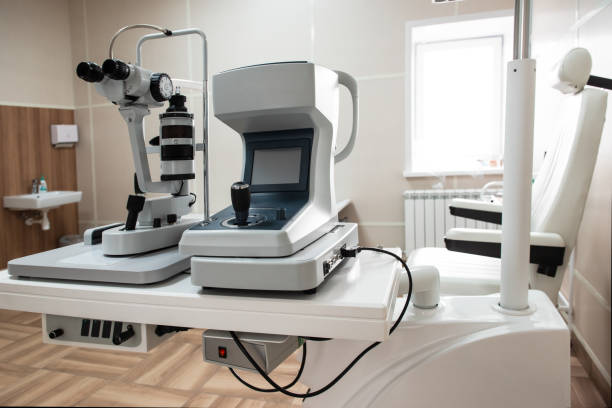
- Autorefraction: A machine estimates your prescription for glasses or contact lenses.
- Tonometry: Measures the pressure inside your eyes to screen for glaucoma.
- Peripheral Vision Test: Checks how well you can see objects that aren’t directly in front of you.
These simple yet effective tests help the optometrist assess your vision and eye health before moving on to the comprehensive exam.
3. The Comprehensive Eye Examination
Next, you’ll meet with the optometrist for a more detailed evaluation. This is the most important part of your visit, as it allows the doctor to assess your vision, eye health, and any potential risks.
During the exam, the optometrist will:
- Check your prescription: Using a phoropter (the device with multiple lenses), they’ll determine the most accurate lens strength for your eyes.
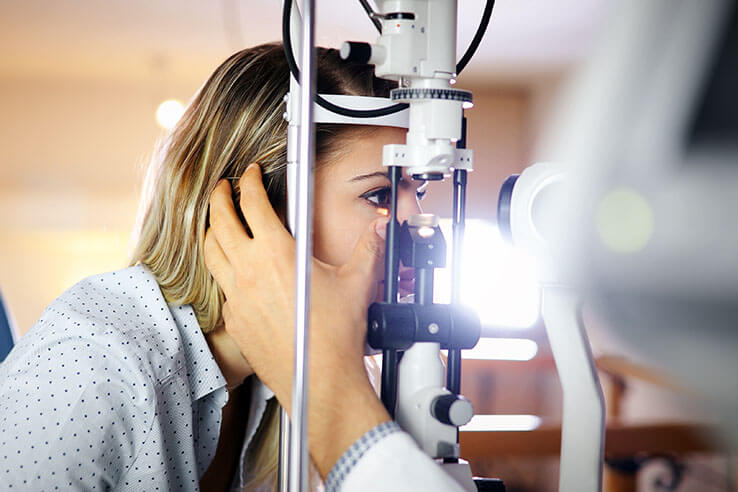
- Examine internal and external structures: A light and magnifying tool will be used to inspect your cornea, retina, optic nerve, and lens. This helps detect conditions such as cataracts, macular degeneration, or retinal issues.
- Evaluate eye coordination: The doctor checks how well both eyes work together, ensuring there’s no muscle imbalance or focusing difficulty.
The process is completely painless, and your optometrist will explain each step to make you feel comfortable and informed.
4. Discussion of Results and Personalized Recommendations
Once the examination is complete, your optometrist will review the results with you. If you need vision correction, they’ll explain your prescription in detail and help you understand your options — from glasses to contact lenses or specialized lenses for digital screen protection.
If your eyes are healthy, your optometrist will give you guidance on preventive care — like managing screen fatigue, maintaining a balanced diet rich in antioxidants, and scheduling regular follow-ups.
Many Eye Exam Centers in Kitchener also feature an in-house optical boutique, allowing you to explore a variety of stylish frames and lens options immediately after your appointment. This convenient service saves you time and ensures your eyewear is perfectly fitted to your face and prescription.
5. Preventive Care and Future Visits
After your first visit, your optometrist will recommend how often you should return for check-ups. For most adults, an eye exam every one to two years is ideal. However, if you have diabetes, high blood pressure, or a family history of eye disease, more frequent visits may be necessary.
Between visits, you can maintain good eye health by:
- Taking regular breaks from screens (the 20-20-20 rule: every 20 minutes, look 20 feet away for 20 seconds).
- Wearing sunglasses that block UV rays.
- Eating foods rich in vitamins A, C, and E.
- Staying hydrated to prevent dry eyes.
These simple steps, combined with professional guidance, can help you protect your vision for life.
Final Thoughts
Your first visit to an Eye Exam Center in Kitchener is an essential step toward long-term eye health and clearer vision. From initial assessments to personalized recommendations, the experience is designed to be informative, comfortable, and focused entirely on your well-being.
Whether you’re due for a check-up or need new prescription glasses, trust the experts who make your eye care their top priority.
For compassionate service, advanced technology, and personalized care, visit Optical House; your trusted Eye Exam Center in Kitchener dedicated to helping you see the world more clearly.
